
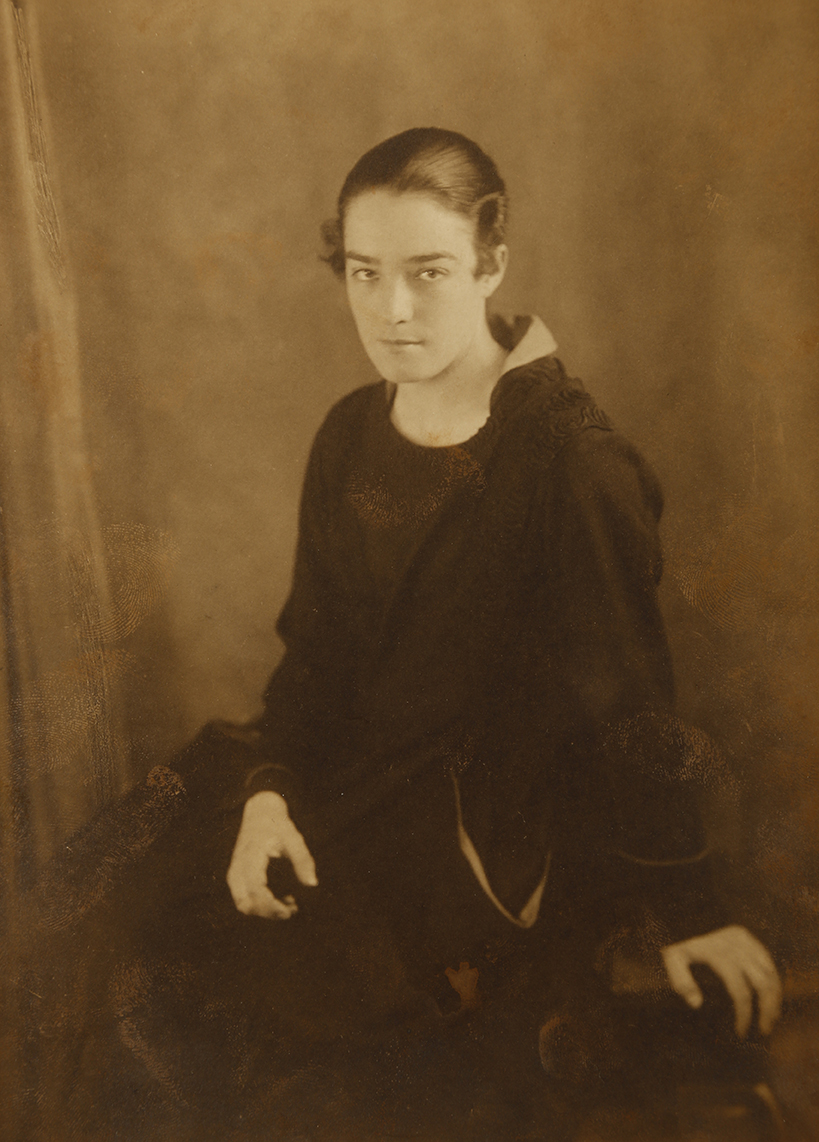
A student’s response to Living Lines, a compelling retrospective of the pioneering British abstract artist Paule Vézelay at the RWA.
This insightful review of Paule Vézelay: Living Lines was written by Amelia Nixon-Surrey, a 17-year-old student on work experience with The Floating Circle. The exhibition, running at the RWA until 27 April 2025, explores the extraordinary life and work of Paule Vézelay (1892–1984) – born Marjorie Watson-Williams in Bristol – who became one of the first British artists to embrace abstraction.
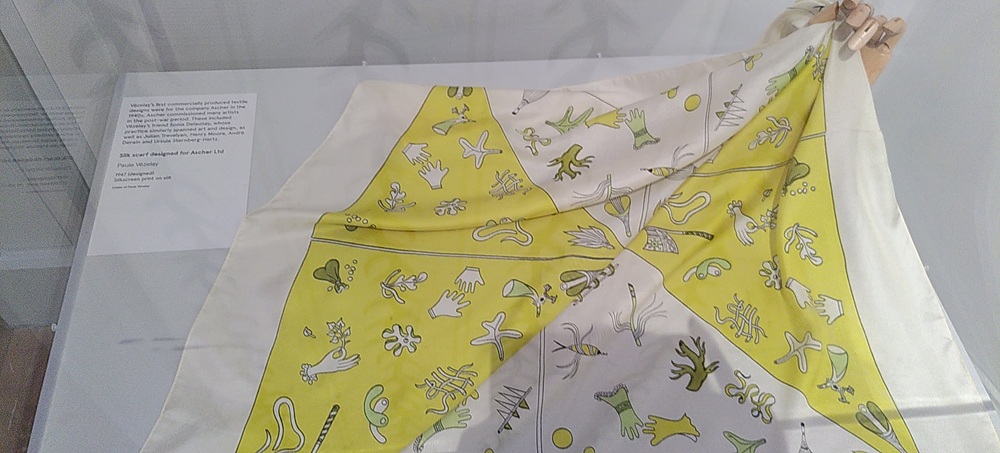
Vézelay’s career spanned painting, textiles, sculpture and printmaking, with a distinctive evolution shaped by her move to Paris in the 1920s and her deep engagement with European modernism.
by Amelia Nixon-Surrey
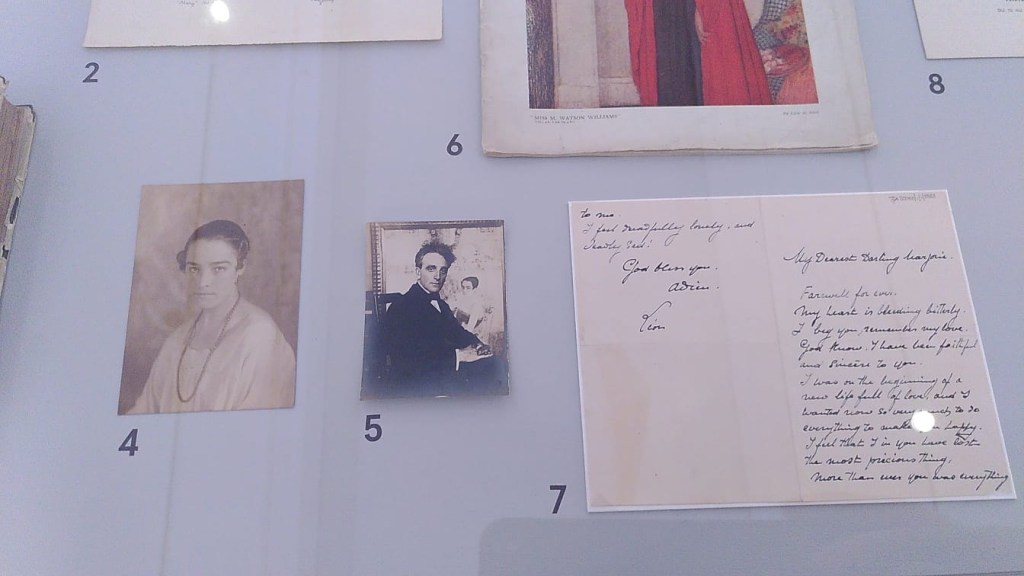
Walking into the gallery, the first thing that caught my eye was a case of Paule Vézelay’s personal effects, one of which was a letter from Belgian artist Leon de Smet, dated 1926, back when Paule Vézelay was still Marjorie Watson Williams. The contents of the letter read ‘Farewell forever’, and begged Vézelay to ‘remember my love’. De Smet’s ‘persistent amorous attentions’ towards Vézelay are thought by some to have influenced her decision to move to Paris that very same year, a decision that would have a profound impact on not just her own art, but on abstract art itself.
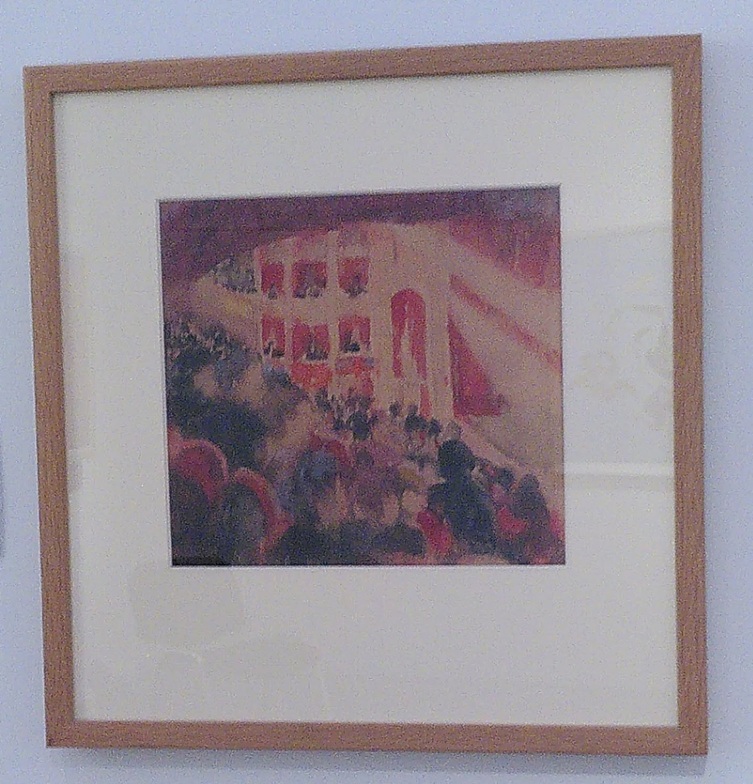
Looking around the room, one of Vézelay’s impressionist pieces from the beginning of her career, ‘Bristol Hippodrome’ (1918/19), done shortly after the theatre first opened, instantly drew my attention. These early pieces are immediately eye-catching with their blending of colours and shades, particularly ‘Bristol Hippodrome’ which uses watercolours to produce vibrant shades of red and showcases her passion for performance.
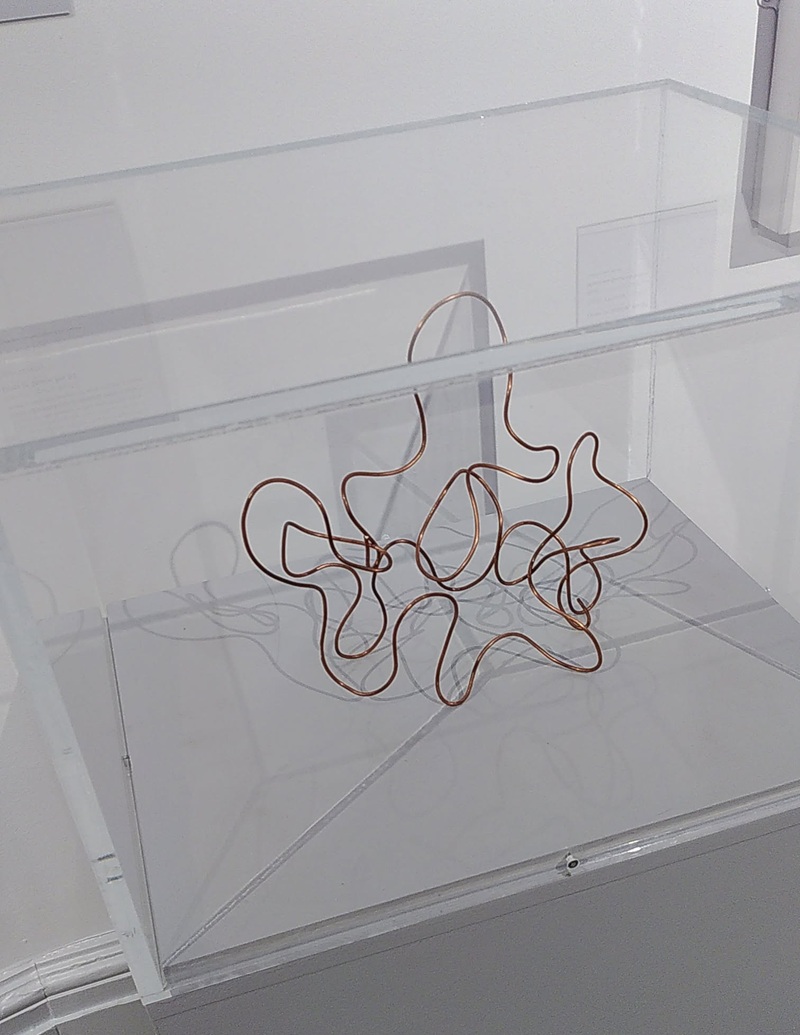
However, what really drew me to this exhibition was the sheer scope of Vézelay’s work, ranging from painting, to sculpture to textiles, and the influence of many well-known friends, all of which the RWA’s Living Lines exhibition allows the audience to explore in detail. Beginning with impressionist oil paintings and watercolours, her art began to change after she moved to Paris to establish herself as an independent artist,and adopted her new name. From there her work began to increasingly explore the use of drawn line, something that became a key focus of her work and which she described as ‘the language of the artist since primitive man.’
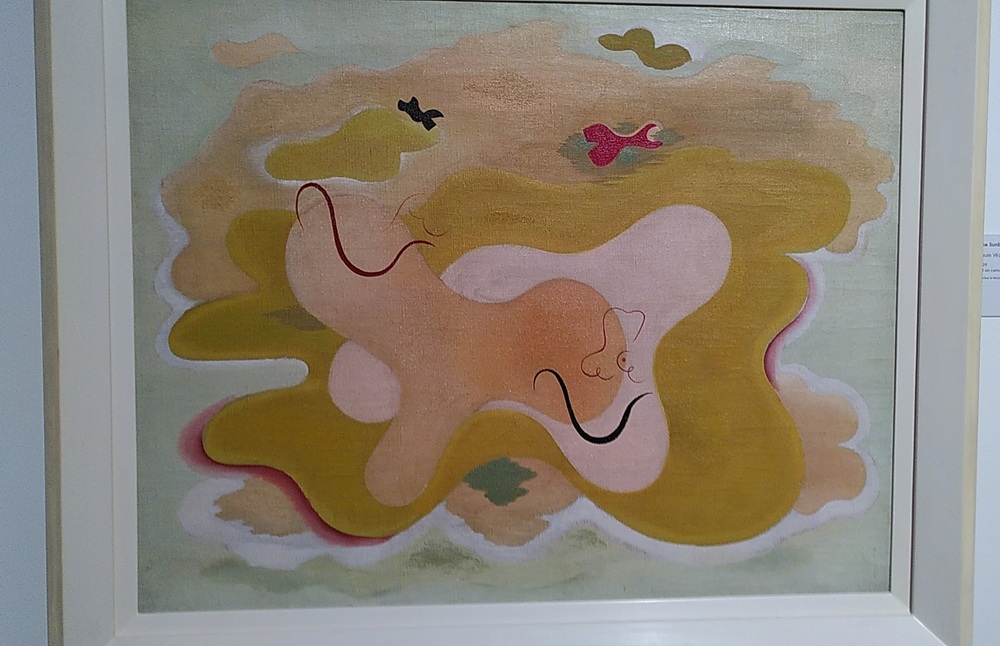
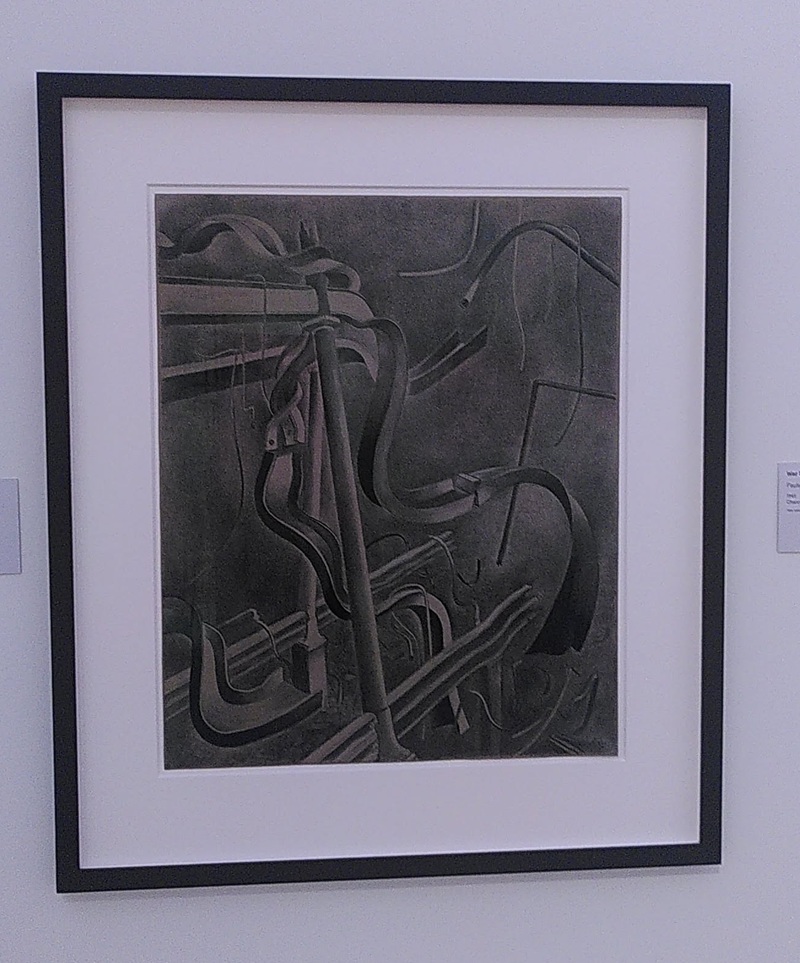
The 1929 piece ‘The Sunbathers’ marks the start of Vézelay’s monumental shift into abstract works, which shaped her career as possibly one of the very first English abstract artists. The exhibition goes on to showcase Vézelay’s style as it changes and develops from the curving lines of the female form in the colourful ‘Sunbathers’, and the bright organic forms of ‘Paysage’ (1946), to the contrast of the striking sharp lines and dark tones of ‘Walking in the Wind’ (1930), painted during her ‘rocky’ relationship with the French surrealist artist Andre Masson, and harsh twisting shapes in her war pieces.
I found the Living Lines to be an incredible demonstration of the diverse and rich artwork of Paule Vézelay, an extraordinarily significant artist in both the history of British art and in the development of abstract art.
The exhibition will run until the 27th April 2025, and I would highly recommend it to anyone who would like to discover more about this pioneering and internationally important artist.

 The Floating Circle